Contact us
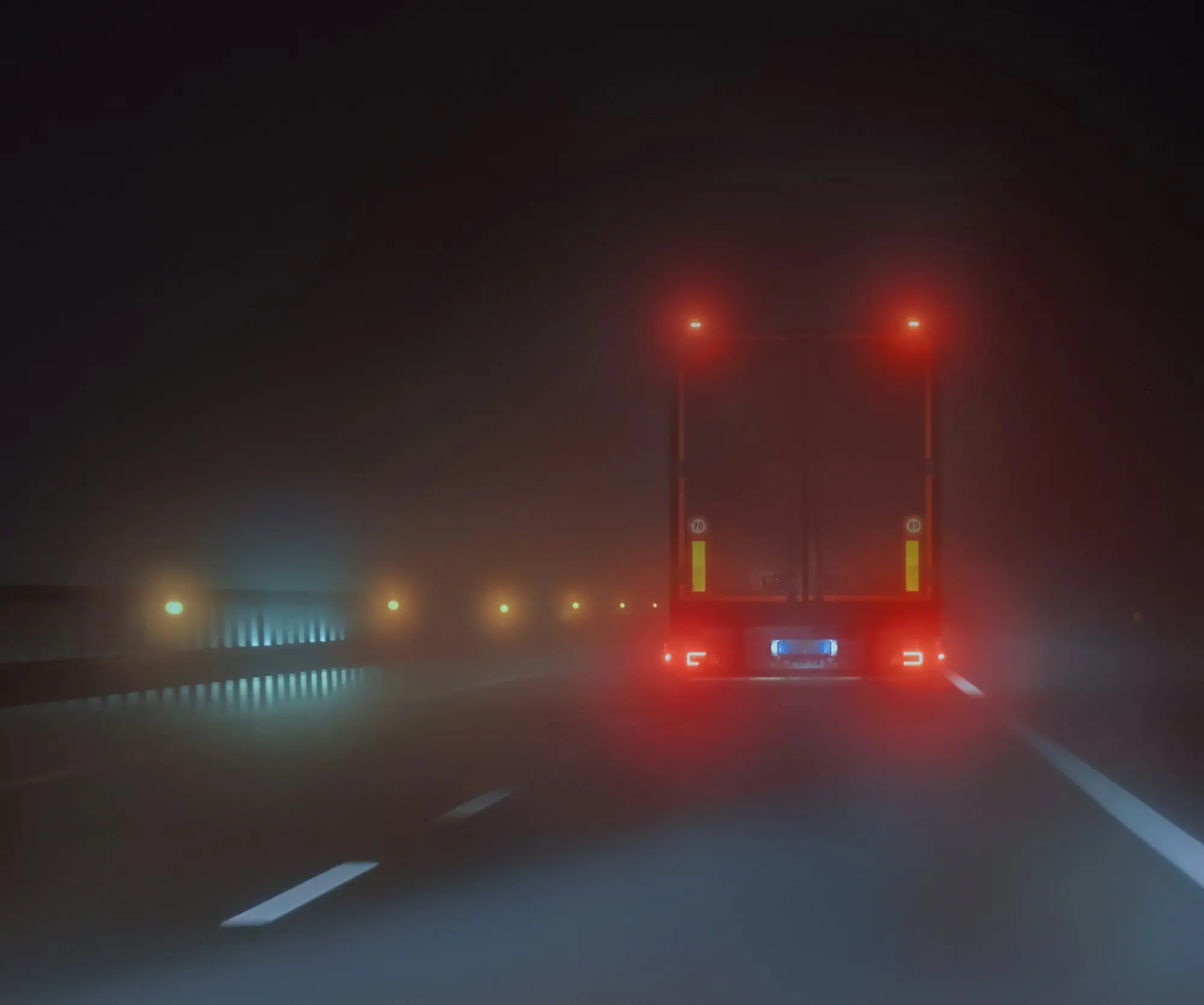
Tail lights on a dark, foggy road

Safety guide

Broken down? What to do.

Practical steps to keep yourself and your passengers safe, based on the guidance in the Highway Code.

On any road

The first five minutes.

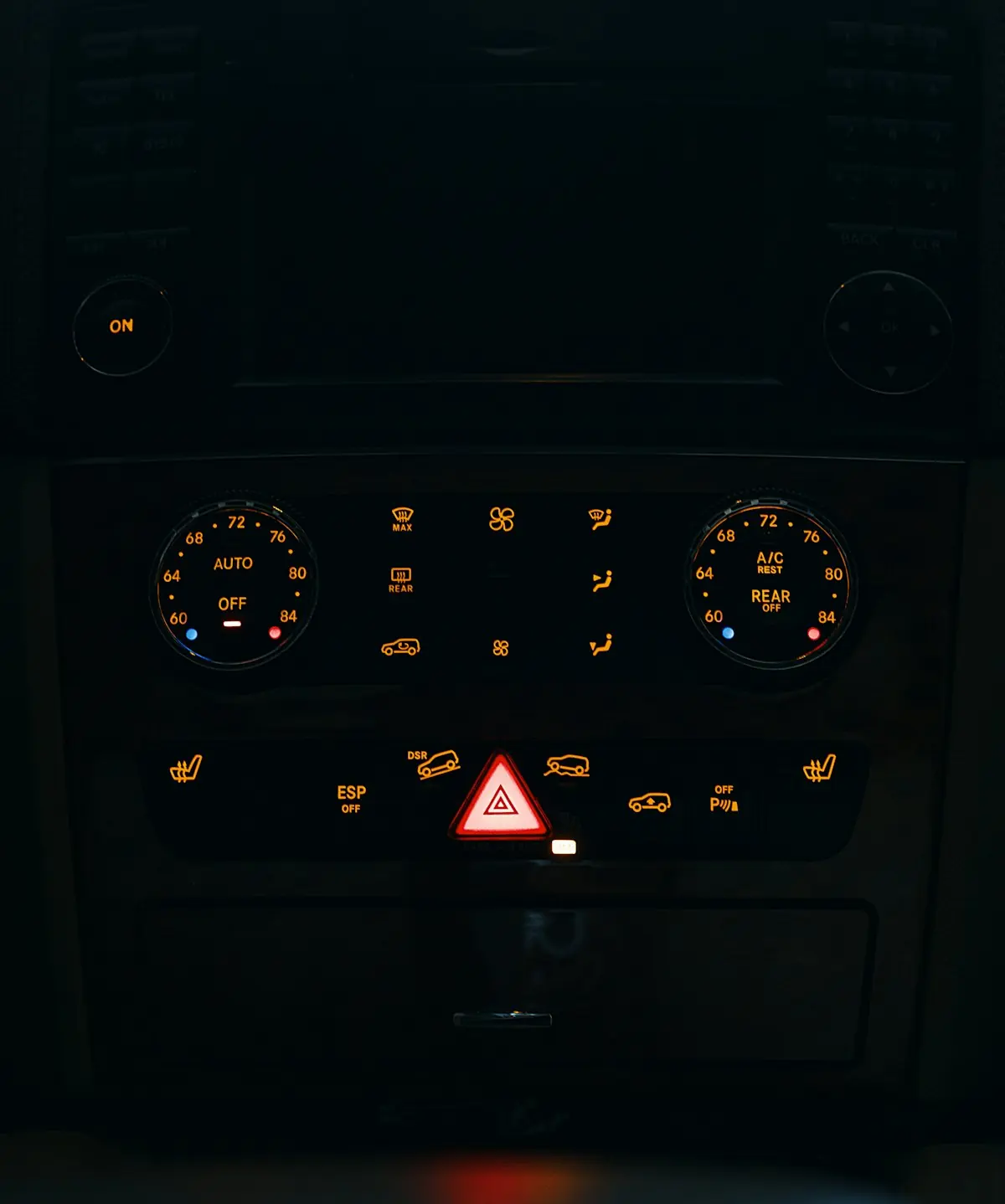
The hazard warning light switch on a car dashboard
  1. 1

    Get off the road if you can

    Pull onto a verge, lay-by or car park, as far from traffic as possible. If the car is still moving, use your momentum to get somewhere safer.

  2. 2

    Make yourself visible

    Switch on your hazard warning lights. If it's dark or visibility is poor, keep your sidelights on too. A high-visibility or light-coloured jacket helps others see you.

  3. 3

    Get everyone out safely

    Leave by the doors away from traffic, take children and pets with you and keep them under control. Don't stand between your vehicle and oncoming traffic.

  4. 4

    Warning triangle, only if safe

    On ordinary roads you can place a warning triangle at least 45 metres (about 147 feet) behind your vehicle on the same side of the road. Never use one on a motorway.

  5. 5

    Call for help

    Give your location as precisely as you can: road name or number, direction of travel, nearest junction, landmark or postcode. If anyone is injured or in danger, call 999 first.

Specific situations

Motorways, lanes, night and winter.

Motorways & dual carriageways

If you can, leave at the next exit or pull into a service area. If not, stop on the hard shoulder or in an emergency area, as far left as possible with your wheels turned to the left.

Get out by the left-hand doors and wait behind the safety barrier, well away from traffic. Don't attempt even simple repairs and don't use a warning triangle.

If you stop in a live lane and can't get out safely, keep your seat belt on, switch on your hazard lights and call 999.

Country lanes

On narrow lanes, try to stop where approaching drivers can see you clearly, not just after a bend or the brow of a hill. Use a field gateway or passing place if you can reach it safely.

If you can't get the vehicle out of a blind spot, move well away from it and, if it's safe, warn traffic with a triangle placed so drivers see it before the hazard.

At night

Keep hazard lights and sidelights on. Stay visible with a torch or your phone light, and stand well back from the road.

Keep your phone charged and let someone know where you are while you wait.

Winter

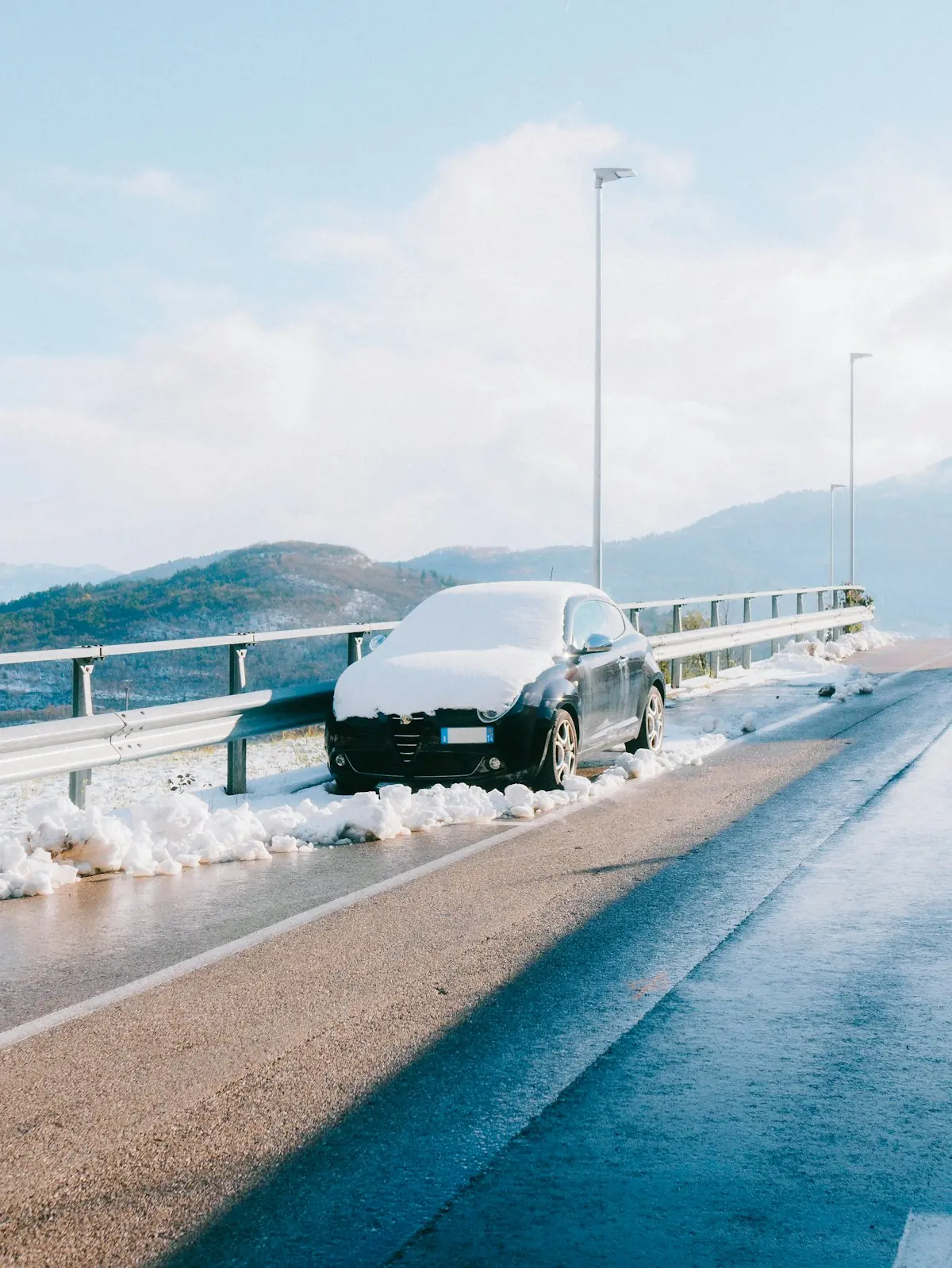
Carry warm clothing, a blanket, a torch, water and a phone charger in winter. If you slide onto a verge or into a ditch, don't keep spinning the wheels: it often digs the car in further.

If you're stuck in snow, keep the exhaust pipe clear of snow if you run the engine for warmth.
A car on a snowy road

Be prepared

A simple breakdown kit.

Hi-vis vestsone per regular passenger Torchwith spare batteries Warning trianglenever on a motorway Power bankand a charging cable Water & snacksfor a longer wait Warm layersand a blanket in winter Spare or repair kitplus the locking wheel nut key

This guide is general safety information. Always follow the Highway Code, road signs and any instructions from the police or traffic officers.

Need a hand?

Tell us where you are.
We'll take it from there.